Into the Quiet of High Mountain Streets

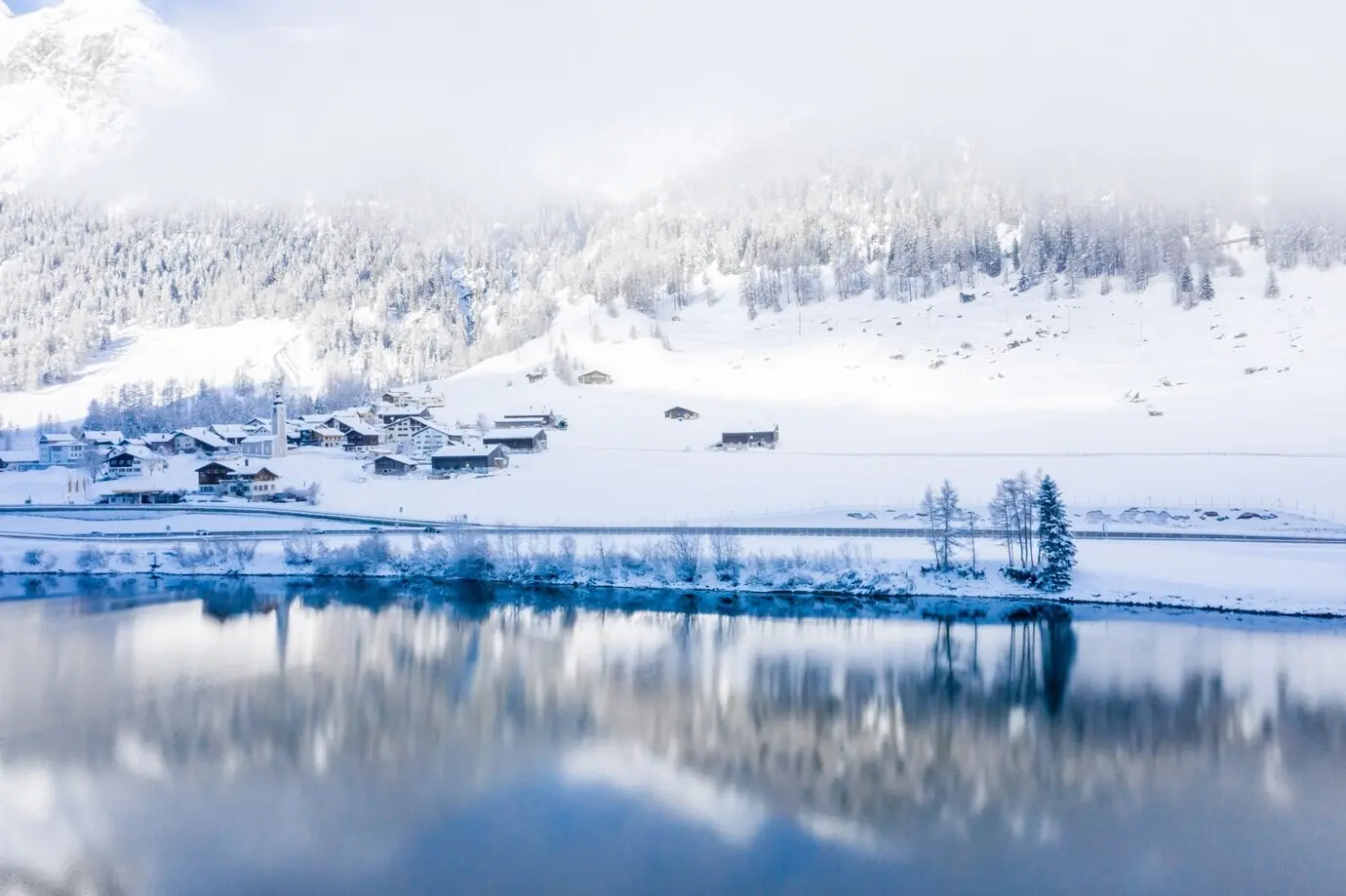
Today we set out to explore car-free Alpine villages, discovering how rail, foot, and bike knit together daily life where engines once ruled. Feel the rhythm of bells, wheels, and walking sticks, meet kind neighbors on narrow lanes, and learn practical ways to arrive lightly, move freely, and savor slow, sustainable journeys among peaks and pastures.

Trains That Climb Like Rivers Flow

From valley junctions, mountain railways rise in gentle switchbacks, linking everyday life to extraordinary landscapes. Lines serving celebrated car-free centers such as Wengen and Zermatt balance punctuality with poetry, offering panoramic windows, seamless transfers, and station squares that open onto lantern-lit lanes, where your first steps feel like a quiet welcome home.

Rail Passes and Local Cards

Regional and national passes can simplify travel, turning complex timetables into effortless freedom. Consider options that include mountain lifts, local buses, and museum entries, or guest cards from accommodations that unlock discounted rides. Pack curious eyes and flexibility, because a sudden detour to a sunlit hamlet can become the moment you remember most.

First Steps From the Platform

When the train doors slide open, life slows. Porters, electric hotel shuttles where permitted, and tidy signposts guide arrivals through cobblestone alleys to warm inns. Settle your bag, sip water, and wander—past wooden balconies, flower boxes, and the faint clink of teacups—until the mountains feel less like scenery and more like neighbors.

Life On Foot

Walking becomes more than transport; it becomes conversation with the village itself. Narrow lanes teach patience, shop windows reward curiosity, and church bells keep gentle time. Feet discover gradients you never noticed from a windshield, while fragrant bakeries, grazing cattle, and soft dusk light turn ordinary errands into stories you will gladly carry home.

01

Morning Loops and Bell Chimes

Set out before the shops open, when dew clings to slate roofs and swallows draw invisible calligraphy over rooftops. The first bell marks your turning point, then the second invites an extra detour by the stream. Return with appetite, cheeks flushed, and a quiet certainty that the day has already given you something precious.

02

Strollers, Sleds, and Grocery Rucksacks

Without engines, errands reshape themselves. Families push strollers with wool blankets tucked tight, neighbors share sleds along compact winter lanes, and hardy rucksacks hold bread, cheese, and stories swapped in doorways. The rhythm is unhurried, practical, and joyful, proving that the most efficient route is often the one that includes a friendly chat.

03

Accessibility and Gradients

Gentle ramps, steady handrails, and thoughtful wayfinding can make steep places welcoming. Many upward strolls become easy when planned with rest benches, funicular shortcuts, and elevator links where available. Ask locals for the flattest promenades, borrow trekking poles, and discover how inclusive design and a patient pace open doors to magnificent everyday views.

Choosing the Right Bike
Match your goals to your gear. A comfortable step-through suits market runs and lakeside loops, while e-bikes transform long ascents into playful rolling. Helmets, good lights, charged batteries, and spare layers matter at altitude. Rental shops share trail wisdom, and a quick brake check can save the day before the first curve.

Trail Etiquette That Keeps Smiles

Shared paths thrive on courtesy. Slow as you approach walkers, ring gently, and yield on narrow pinch points. Close pasture gates, greet farmers, and avoid sudden skids that scar soft soil. Look up often; yielding for a photo or marmot crossing is not lost time, but another reason everyone loves returning here.

Family-Friendly Routes

Seek loops that braid play and discovery: riverside gravel, meadow edges, and boardwalks that whisper over wetlands. Add picnic stops near fountains, playground detours, and bakery finales. Keep gradients kind, distances realistic, and curiosity high. When small riders finish grinning, the route becomes tradition, and the village map starts living on your refrigerator.

The Baker Who Tracks the Weather

He rises before dawn, checks the clouds for travelers’ luck, and pulls loaves that crackle like small campfires. He tells you which path dries first after rain, then wraps your bread with a smile. By afternoon, you swear the apricot tart tastes like sunshine rescued from a passing storm.

A Lost Glove, A Village Message Thread

On a windy ridge, a child drops a tiny red glove. Hours later, a neighbor posts a photo: found near the fountain, waiting on the railing. By evening, glove and giggles reunite. In places stitched by walking, serendipity travels faster than any engine possibly could.

When Clouds Close the Pass

One evening, the lift halts and the mountain draws a gray curtain. Plans dissolve, but candles appear, a violinist tunes in the square, and strangers trade cocoa recipes. By morning, paths reopen. Nobody mentions the delay; everyone remembers how stillness turned a schedule into a celebration of shared patience.

Seasons and Safety

Summer High-Altitude Care
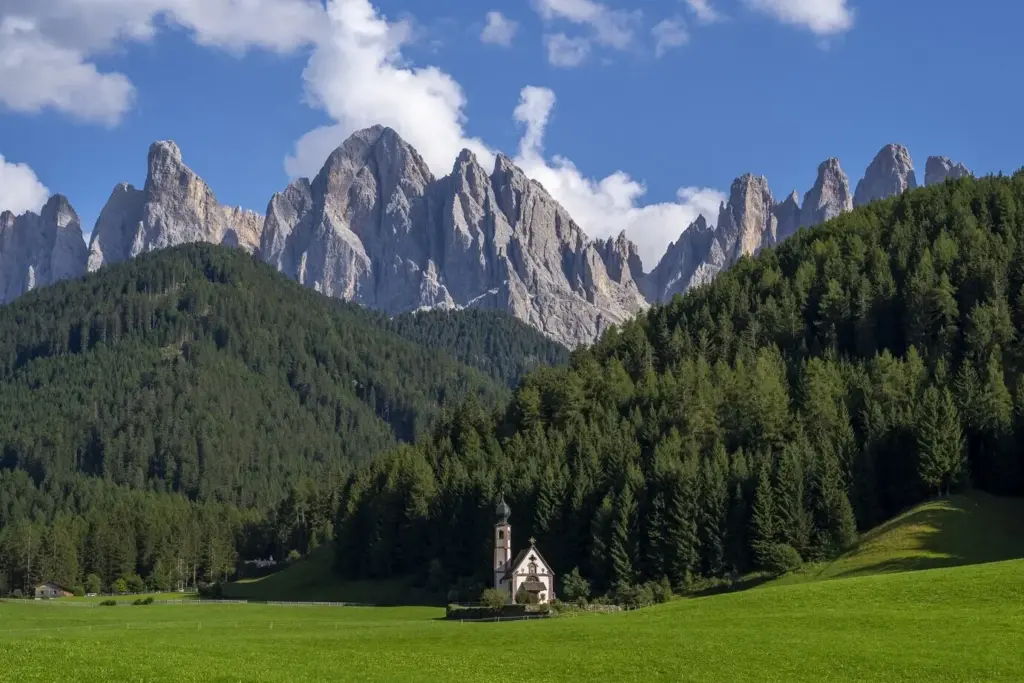
Thin air amplifies sun and effort. Carry water, salty snacks, and a brimmed hat. Start early to dodge afternoon rumbles, and pack a light shell even on bluebird mornings. Sunglasses, sunscreen, and a small first-aid kit turn surprises into manageable footnotes, letting joy, not fatigue, color the final pages of your day.

Winter Footing and Light

Snow rewards preparation. Traction aids bite gently into packed lanes, while adjustable poles steady twilight strolls. Keep fingers warm with liner gloves and pocket a headlamp when dinner lingers past sunset. Mind glossy patches near fountains, listen for plows, and treasure that crunching soundtrack as your nightly lullaby back to the inn.

Respecting Nature and Culture

Follow marked paths, close gates behind you, and give herds unhurried space. Celebrate quiet hours, step lightly around churchyards, and taste traditions without rushing photos. When you treat pastures, villages, and neighbors as hosts rather than backdrops, the mountains answer with generosity that endures longer than any postcard can promise.

Plan, Book, Belong

A little foresight turns simplicity into ease. Book stays near stations, pack layers for sudden moods, and leave gaps for golden detours. Ask questions, learn local greetings, and share what you discover. By traveling light and listening well, you do more than visit—you join a living, breathing community between peaks.

Packing That Earns Its Keep

Choose pieces that work twice: a scarf that warms dawn walks and dresses up dinner, shoes that handle cobbles and meadow paths, a tiny repair kit for zippers and straps. Refillable bottles, collapsible containers, and a slim notebook respect the place, your back, and the small stories worth recording.

Finding Stays Steps From Trails

Look for inns where boot rooms smell of pine and breakfast maps include secret benches. Prioritize balconies, fountains nearby, and quick strolls to lifts or promenades. Hosts often share priceless micro-advice: which bench catches last light, which lane hushes the wind, and where tomorrow’s sunrise will feel most generous.

Livopexilentokentosira
Privacy Overview

This website uses cookies so that we can provide you with the best user experience possible. Cookie information is stored in your browser and performs functions such as recognising you when you return to our website and helping our team to understand which sections of the website you find most interesting and useful.