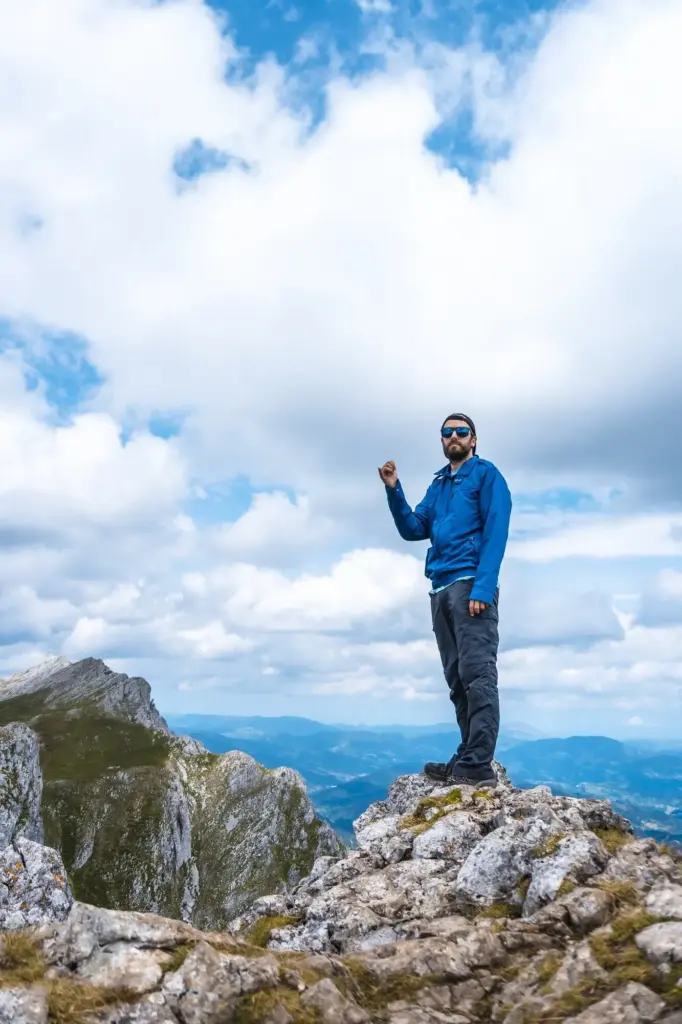
Quiet Peaks, Open Paths
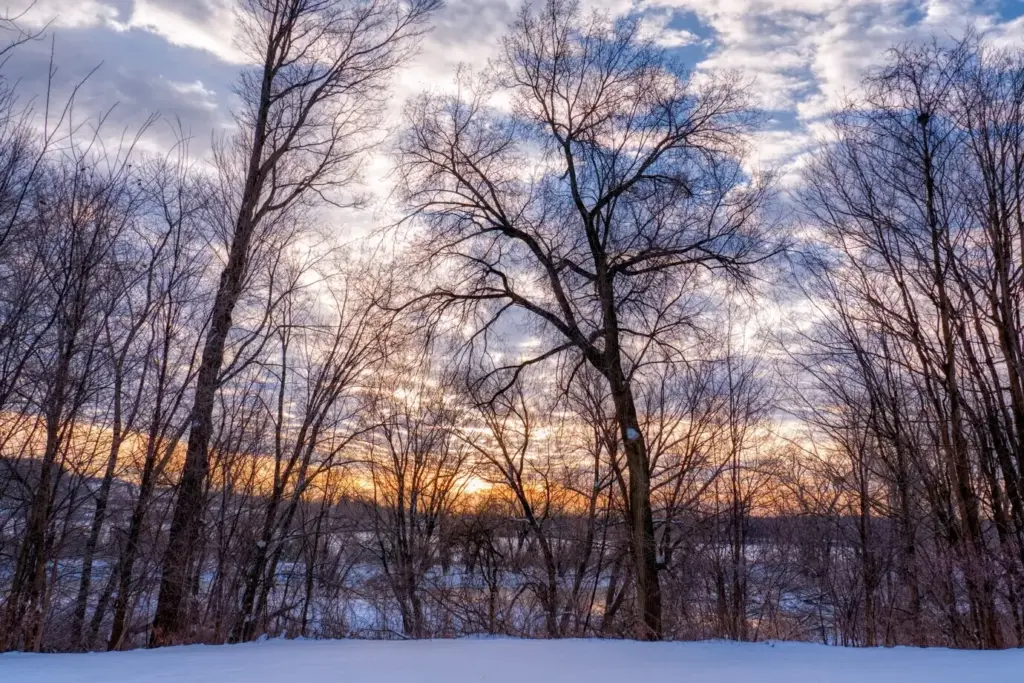
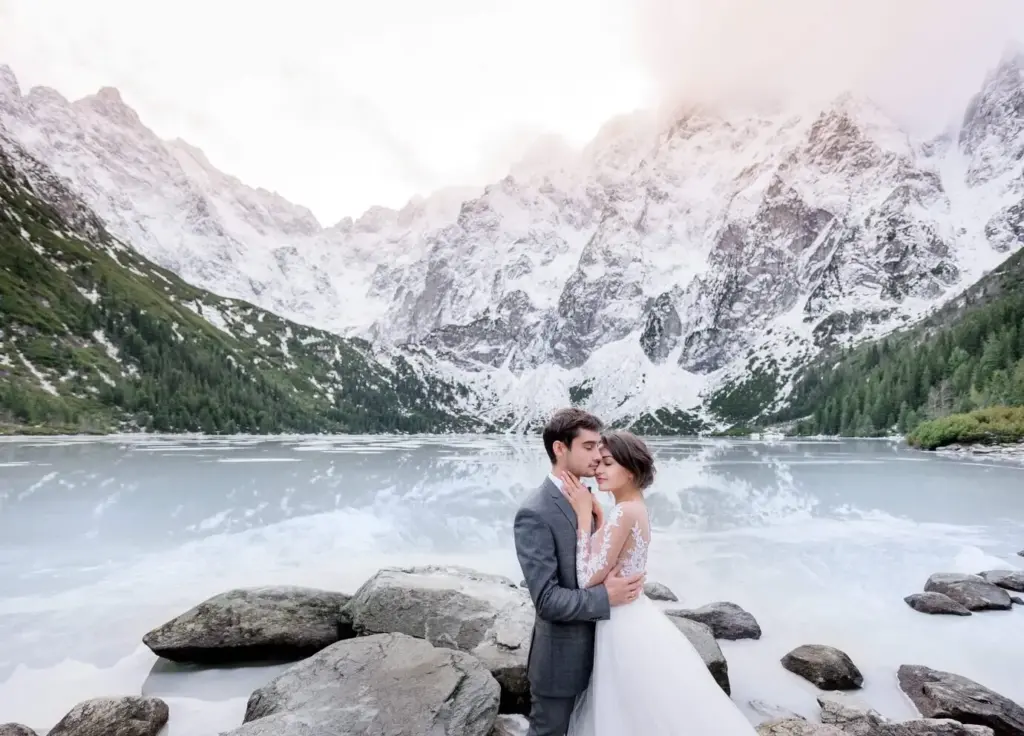
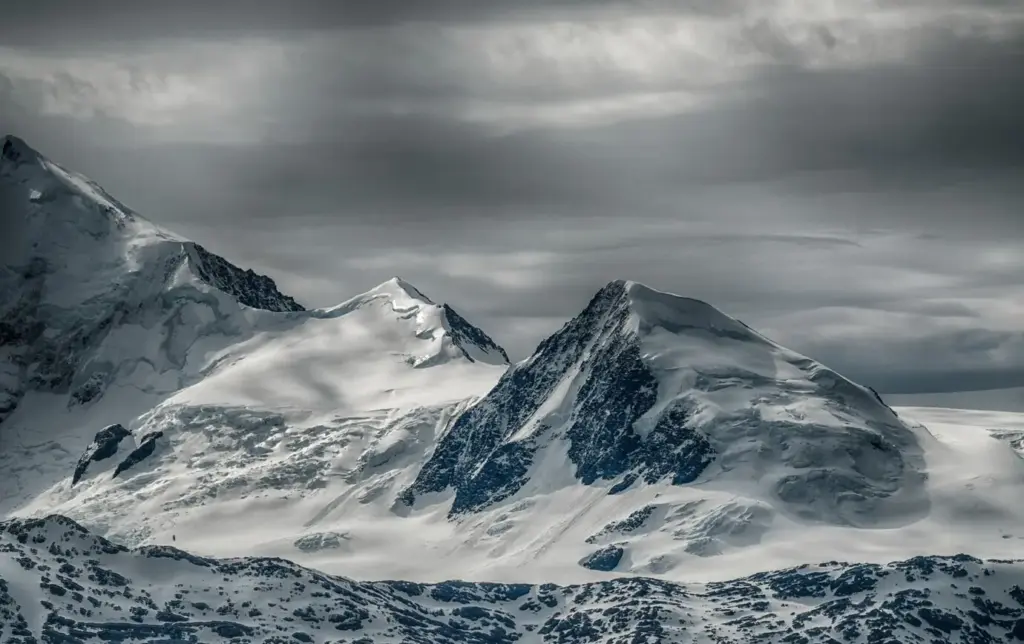
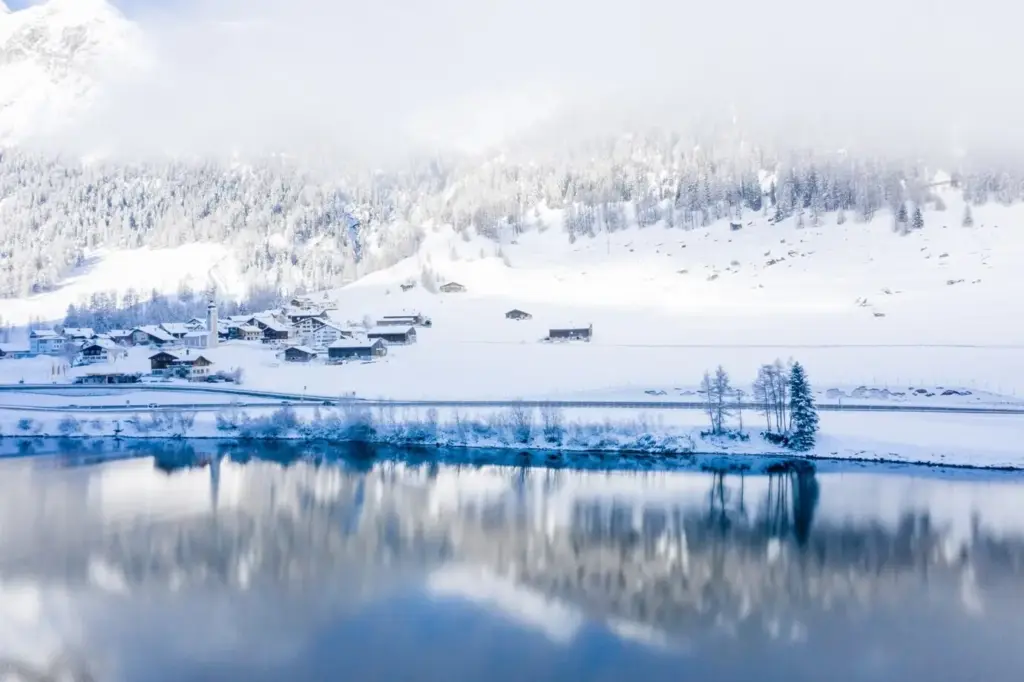
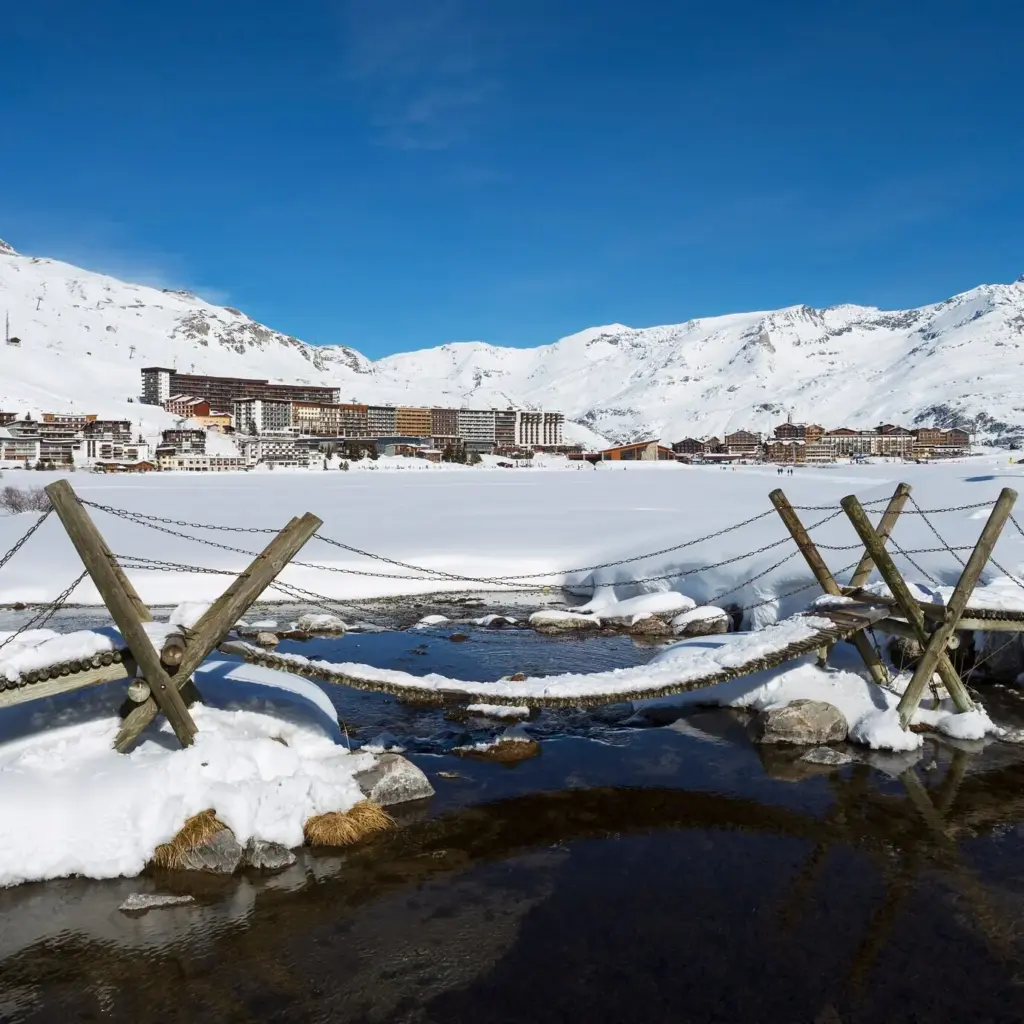
We’re exploring off-season mountain retreats: finding tranquility while easing overtourism pressures. Discover how arriving between rushes replenishes trails, supports local communities, and gifts you solitude, star-filled skies, and slow coffee with fog-draped ridgelines. Expect practical strategies, heartfelt stories, and gentle encouragement to travel lighter and kinder.

Why the Quiet Season Makes Journeys Shine

Traveling when the crowds thin reveals mountains at a calmer heartbeat, where trails recover, meadows reseed, and birdcalls replace selfie sticks. It also reduces pressure on infrastructure battered by peak months, while giving you unrushed conversations with bakers, rangers, and guides who finally have time to share layered stories.

Nature’s Breathing Room

Footpaths heal when boots pass less often. Roots re-anchor, switchbacks shed loose gravel, and alpine flowers scatter seed undisturbed. Fewer hikers mean wildlife resumes visible routines, from chamois grazing unhurriedly to owls returning before dusk, reminding visitors to move gently and leave space for natural rhythms.

Communities Beyond the Rush

Beyond summer’s crush, locals reclaim breath and welcome longer exchanges. You learn why the bakery closes on Tuesdays, how snowmelt feeds the mill, and which family keeps the rescue hut stocked, transforming quick purchases into relationships that circulate income more evenly through the valley.

Value Without the Frenzy

When demand softens, lodging and transport often become more flexible, yet true value appears in quiet breakfasts, attentive service, and space to linger. Choose fair rates, tip thoughtfully, and invest in quality experiences that sustain year-round jobs rather than chasing the cheapest possible deal.

Reading the Mountain Calendar

Study lift schedules, road openings, and hut staffing notes published by park authorities. Avalanche bulletins may still post during autumn storms, and spring corn cycles demand early starts. Align ambitions with daylight, and remember that one closed bridge can reshape a valley’s entire access logic.

Packing for Swing Seasons

Pack adaptable layers that love uncertainty: lightweight insulation, windproof shell, waterproof mitts, and breathable gaiters. Add microspikes for shaded ice, a compact thermos, and a headlamp even for short walks. Dry socks rescue morale, while map, charger, and whistle anchor your safety net.

Flexible Itineraries

Build plans that welcome surprise. Create a valley-based basecamp, then rotate hikes by aspect and elevation as weather shifts. Mark cafes, libraries, and spas for storm days, and keep one buffer day so delayed buses or fresh powder become stories, not stress.

Lower-Impact Getting There
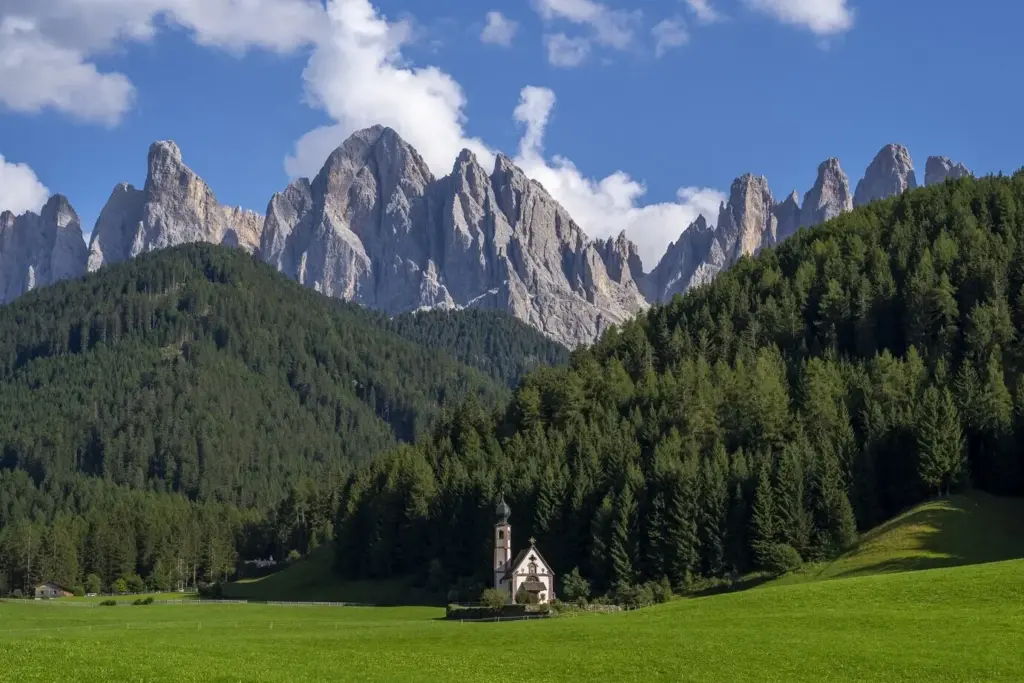
Trains and coaches stitch mountain towns to lowland hubs with relaxed predictability. Booking early secures seats with ample legroom for gear. Where rails end, community shuttles and on-demand vans bridge the gap, reducing parking strain near fragile trailheads and freeing you to watch the landscape unfold.

Staying With Purpose

Choose lodgings that publish energy use, water stewardship, and sourcing. A small inn with heat pumps, bulk toiletries, and hearty regional breakfasts may outshine glossy resorts. Ask about staff training in conservation, and favor places that pay living wages even when occupancy dips.

Trail Etiquette in Solitude

Solitude can blur boundaries. Greet trail workers, yield to uphill hikers, and step off narrow singletrack to let wildlife pass first. Keep voices low near huts and lakes, store snacks securely, and remember that silence belongs to everyone, including the trees and water.

Stories from the Shoulders of the Year
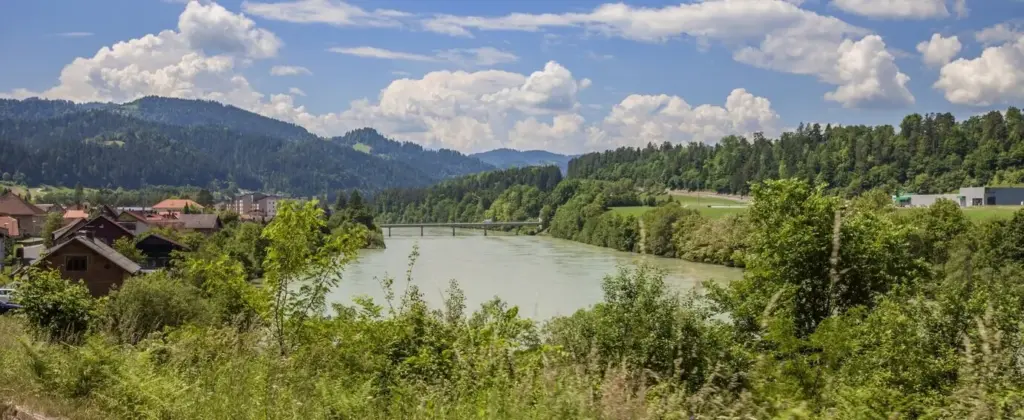
Real moments anchor memory and guide better decisions. These small portraits from quieter months reveal how patience opens doors: a ranger unhurriedly sharing migration maps, a grocer explaining cheese affinage, a child waving from a school bus as fog curls around larches and barns.

Safety, Access, and Respect

Quieter trails can feel gentler, yet margins shrink when services pause. Check emergency numbers, know hut closures, and carry extra calories. Respect seasonal wildlife needs, fragile soils, and temporary restrictions designed to protect nesting birds or prevent erosion while maintenance crews rebuild segments.

Supporting Places You Love

Calmer months distribute benefits better when visitors choose intentionally. Spend with small outfitters, buy in-season produce, and tip musicians who keep taverns warm. Join trail days, fund search-and-rescue, and spread trips across weekdays. Share experiences generously while avoiding sensitive geotags, then invite friends to travel kindly, too.

Spend Where It Matters

Eat where recipes carry ancestry, purchase crafts traceable to local hands, and book guides who teach geology alongside stories. When possible, prepay or reserve deposits that stabilize cash flow, and celebrate businesses that close briefly for rest, because resilience strengthens service for everyone later.

Give Time or Skills

Consider offering a morning to clear drains, plant seedlings, or log fallen branches for rangers. Citizen science projects welcome hikers who photograph lichens, birds, or snowlines. These gestures repay beauty with care, and they knit visitors into the continuing stewardship that mountains deserve.
Livopexilentokentosira
Privacy Overview

This website uses cookies so that we can provide you with the best user experience possible. Cookie information is stored in your browser and performs functions such as recognising you when you return to our website and helping our team to understand which sections of the website you find most interesting and useful.