Shaping Quiet Sanctuaries Among the High Peaks

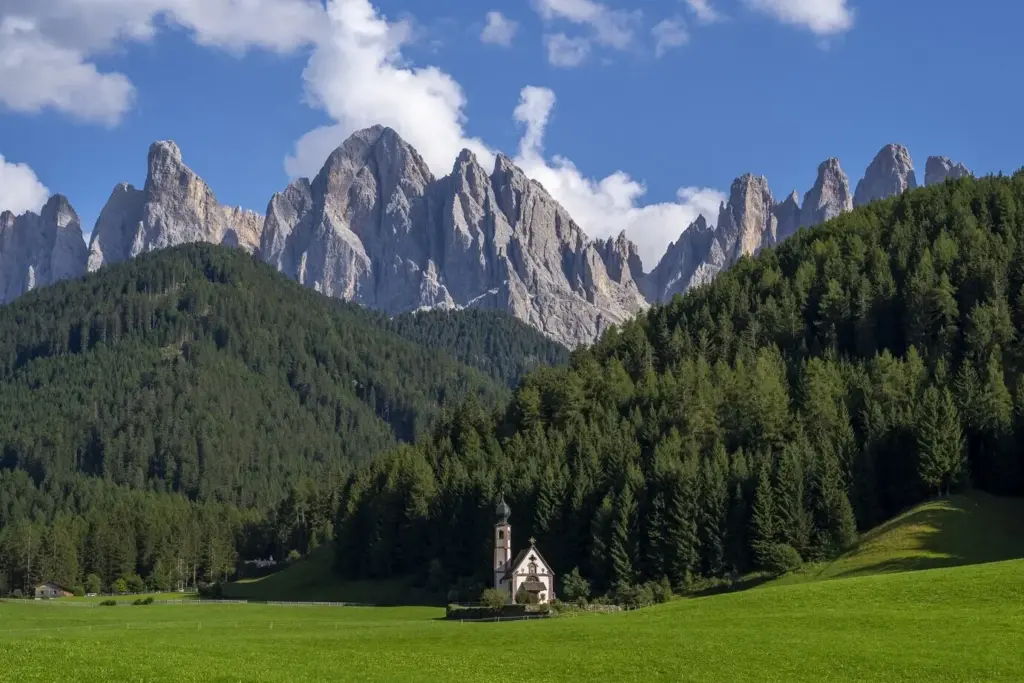
Today we explore designing eco-lodges that blend seamlessly with alpine landscapes, balancing humble architecture with rugged beauty and precise environmental stewardship. Expect practical frameworks, field stories, and heartfelt inspiration to help you build places that shelter travelers, honor wildlife, and quietly celebrate the mountain’s weather, light, and living cultures without leaving heavy marks behind.

Reading the Mountain Before Laying a Single Line
Topography as a Design Partner
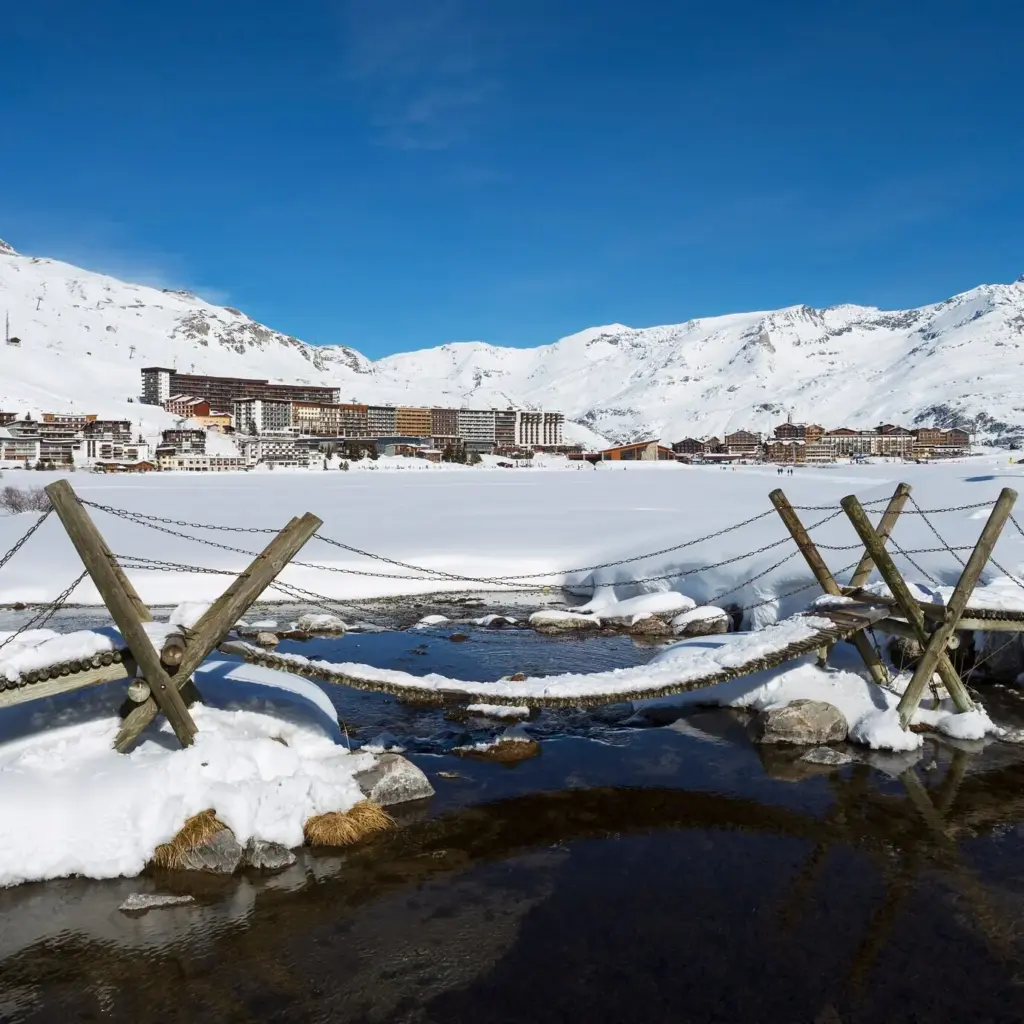
Contours reveal everything: where sunlight lingers at winter’s edge, where wind scours snow away, and where moisture gathers after thaw. Working with these lines, not against them, positions foundations lightly, tucks volumes into landforms, reduces excavation, and opens views that feel discovered, not imposed. The result is a place that looks inevitable, as if it grew there gently.

Microclimate Mapping for Comfort and Efficiency
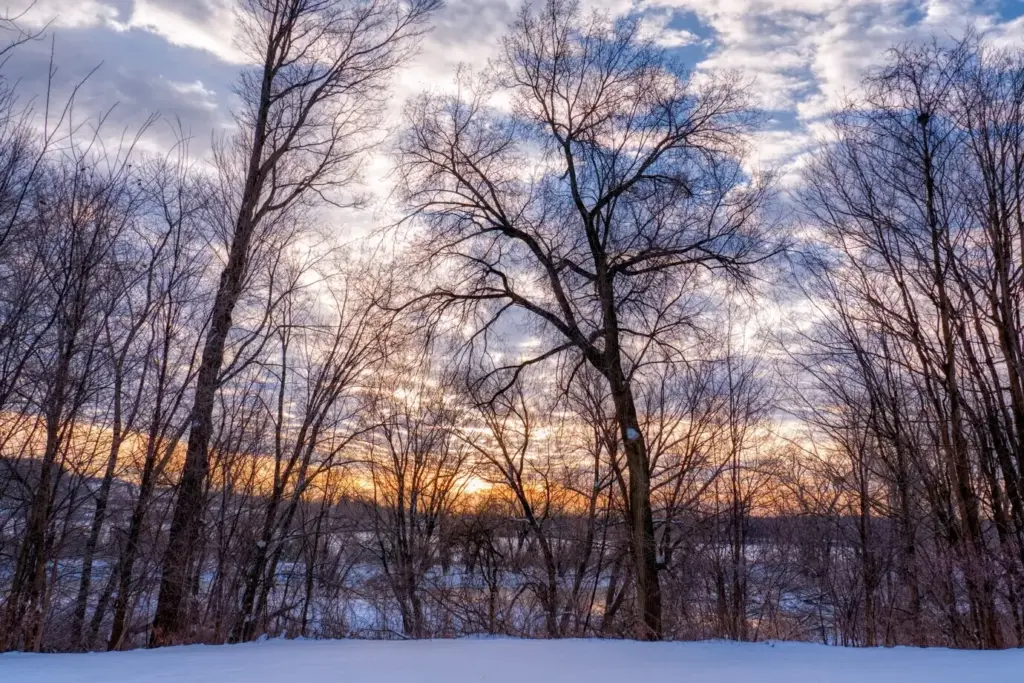
A few meters of elevation or a subtle ridge can shift temperature, fog patterns, and icing dramatically. Logging data across shoulder seasons helps determine entrances free from drift, terraces protected from gusts, and glazing that welcomes low winter sun without glare. Documenting shade, reflectivity, and snow settlement informs envelope performance, passive gains, and guest comfort without oversizing mechanical systems.

Ecology, Corridors, and Respectful Edges

Alpine meadows and conifer belts host sensitive species following ancient paths. Nighttime camera traps, scat surveys, and community knowledge identify movement corridors, den sites, and foraging grounds. Aligning trails, lighting, and service routes to avoid fragmentation protects biodiversity while elevating guest encounters with living nature. Edges stay soft with native plantings, and fences become unnecessary because behavior invites coexistence.

Materials That Truly Belong to the Altitude
In high country, authenticity is structural, not decorative. Local timber and stone weather gracefully, speaking the dialect of place, while low-carbon binders and bio-based insulation reduce embodied impacts. Selecting finishes for repairability, longevity, and end-of-life disassembly ensures cabins age kindly, accumulate stories, and remain serviceable across decades of freeze–thaw cycles without wasteful replacements or frantic maintenance.

Passive Form and a Thoughtful Envelope

Short plans reduce heat loss; carefully placed windows capture winter sun and frame valleys without overexposure. High R-values, continuous air barriers, and thermal-bridge-free detailing tame drafts. Vestibules and snow-shedding roofs handle storms gracefully. These moves trim mechanical complexity, freeing budgets for craftsmanship while keeping rooms warm, air fresh, and mornings bright even after long blizzards.

Renewables in Tune with Terrain and Silence

Snow-optimized photovoltaic arrays with robust racking, ground-source or water-source heat pumps, and micro-hydro where permissible create a diversified, quiet energy mix. Battery buffers cover cloudy spells; demand-shifting aligns loads with generation. Equipment sits in insulated pods, vibration-managed and soundproofed, so guests hear creaking pines, not humming inverters, and stargaze under truly dark skies without intrusive glare.

Smart Systems Guests Barely Notice

Sensors track temperature, humidity, and occupancy, guiding radiant loops and ventilation with gentle logic. Interfaces remain intuitive: simple switches, clear icons, and manual overrides for trust. Remote diagnostics reduce technician travel, while usage dashboards share transparent performance. Guests learn effortlessly, staff operate confidently, and technology serves hospitality instead of overshadowing the intimacy of firelight and snowfall.

Water, Waste, and the Hidden Cycles Beneath the Snowline

High-altitude infrastructure must be discreet, resilient, and educational. Snowmelt and rainfall harvesting, careful storage, and ultralow fixtures protect fragile watersheds. Composting or vacuum systems, constructed wetlands, and leak detection close loops. Clear guest guidance normalizes responsible behavior, turning behind-the-scenes engineering into shared pride and practical knowledge that travels home with every departing backpack.

Catching Snow and Rain Without Scars

Roof geometry funnels clean meltwater toward screened leaders and insulated tanks. In summer, first-flush diverters and UV treatment safeguard potability. Gravity-fed distribution lowers pump demand, while frost-proof hydrants and drain-back lines shrug off cold snaps. Interpretive signage invites curiosity, helping visitors appreciate each cup of tea as part of a larger alpine hydrological story worth protecting.

Waste Systems That Regenerate, Not Pollute

Composting toilets, if climate-suited, reduce water use, while sealed blackwater lines and vacuum fixtures minimize leaks. Greywater treatment with reed beds or packaged plants returns clean flow to soil without upsetting delicate microbiomes. Robust maintenance protocols, spare parts on site, and winterized access points prevent emergencies, keeping operations calm and neighbors appreciative of responsible mountain citizenship.

Designing for Relentless Freeze–Thaw

Insulate tanks generously, bury lines below frost depth, and avoid stagnant sections. Select flexible couplings and expansion allowances where ice might surprise. Heat-trace critical segments from renewables to prevent diesel dependence. Drainable fixtures, sloped floors, and redundant shutoffs convert blizzards into manageable routines rather than crises, preserving staff morale and safeguarding budgets for guest-facing improvements.

Shaping Experiences That Leave Only Gratitude
Spaces That Calm and Orient the Senses

Layer daylight with warm task lighting; pair wool, wood, and stone for tactile balance. Frame one powerful view instead of many, preserving mystery. Provide generous mudrooms, drying cabinets, and boot warmers so adventures feel effortless. Acoustic treatments and low-VOC finishes support deep sleep, while fireplaces or stoves invite shared evenings, journals, and quiet conversations about weather and wonder.

Wayfinding and Invisible Operations

Layer daylight with warm task lighting; pair wool, wood, and stone for tactile balance. Frame one powerful view instead of many, preserving mystery. Provide generous mudrooms, drying cabinets, and boot warmers so adventures feel effortless. Acoustic treatments and low-VOC finishes support deep sleep, while fireplaces or stoves invite shared evenings, journals, and quiet conversations about weather and wonder.

Culture, Community, and Shared Stewardship

Layer daylight with warm task lighting; pair wool, wood, and stone for tactile balance. Frame one powerful view instead of many, preserving mystery. Provide generous mudrooms, drying cabinets, and boot warmers so adventures feel effortless. Acoustic treatments and low-VOC finishes support deep sleep, while fireplaces or stoves invite shared evenings, journals, and quiet conversations about weather and wonder.

Building and Operating With, Not Against, the Season

The calendar is a collaborator. Short build windows demand precision: prefabrication, weatherproof staging, and helicopter or cable lifts used sparingly and safely. Local crews reduce transport and enrich knowledge transfer. Operations then follow rhythmic protocols aligned with storms, thaw, and wildlife, ensuring reliability, nimbleness, and a working culture that feels proud, supported, and continuously improving.
Livopexilentokentosira
Privacy Overview

This website uses cookies so that we can provide you with the best user experience possible. Cookie information is stored in your browser and performs functions such as recognising you when you return to our website and helping our team to understand which sections of the website you find most interesting and useful.