Listening Above the Tree Line

Today we step into The Art of Silence: Acoustic Ecology and Quiet Zones in High-Altitude Parks, listening to thin-air physics, alpine wildlife voices, and human impacts. Together we will imagine practical ways visitors and managers can safeguard restorative hush above the tree line through science, etiquette, and design.

Why Heights Sound Different

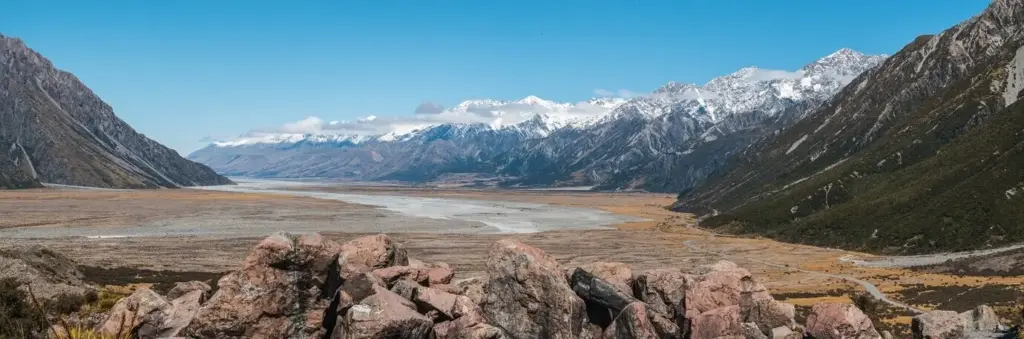
Alpine soundscapes change because air thins, temperatures drop, humidity falls, and terrain sculpts reflections. High frequencies fade faster, snow swallows footsteps, granite throws crisp echoes, and wind shears bend direction. Understanding these forces reveals why a whisper travels strangely far while a jet drowns valleys unexpectedly.
Colder air at elevation lowers the speed of sound, while dry, low-pressure conditions increase high-frequency absorption across distance. The result feels paradoxical: subtle, low tones carry pleasantly, yet detailed consonants blur. Listeners perceive space differently, timing echoes and masking effects with unusual, sometimes haunting clarity.
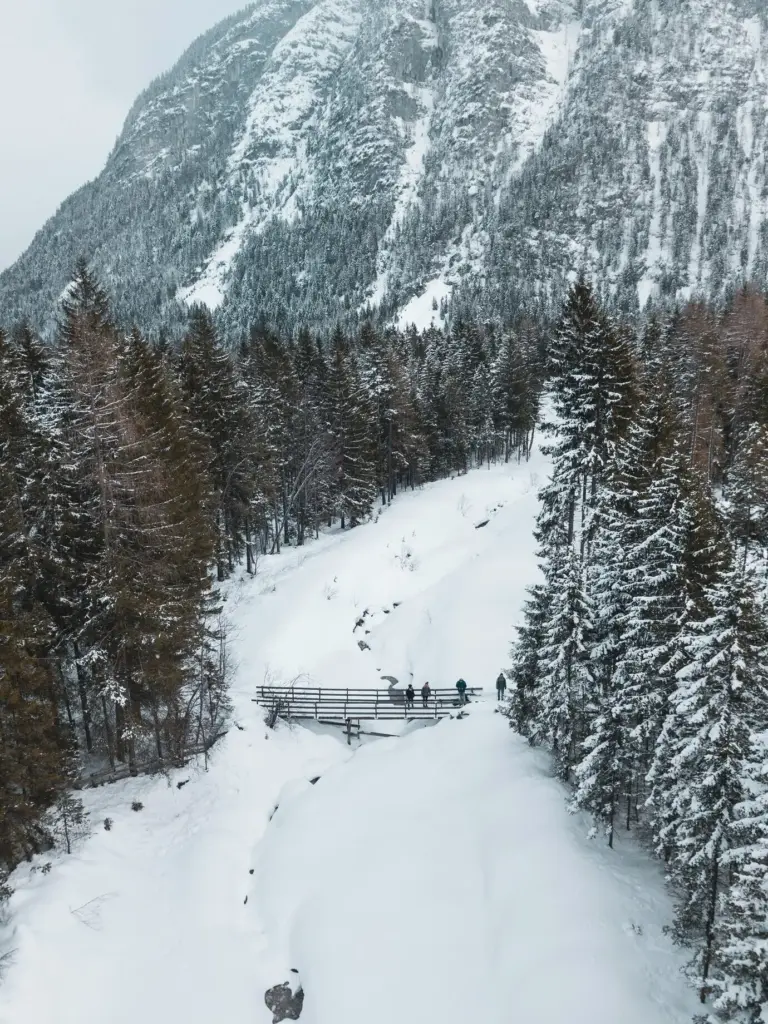
Fresh snow packs act like vast acoustic pillows, soaking up footsteps and voices, while late-season crusts scatter brittle scrapes. Bare granite reflects sharply, exaggerating direction cues. Cushioning meadow grasses quiet impacts, inviting calm. Together, these surfaces remix footsteps, whistles, and bird calls into remarkably textured mountain listening.

Listening to Life at Dawn

{{SECTION_SUBTITLE}}

Birdsong Above the Pines

High-elevation singers often shift toward simpler, slower phrases that pierce wind without exhausting energy. Meadowlarks yield to pipits; wrens pierce with bright trills. Record a minute, then another, noticing how intervals change as air warms, insects wake, and valley traffic begins murmuring from far below.

Small Voices Carry Far

Pikas call to warn kin and claim talus territories, their brief notes skipping across boulders like stones across a lake. Marmot chirps pile into chords. These messages travel when wind softens, explaining sudden bursts of alarm that seem louder than their tiny bodies suggest.

When Noise Climbs the Mountain

Human sounds rise along roads, ski corridors, and popular routes. Helicopters, sightseeing flights, drones, and amplified music reach basins once isolated, shifting behavior in nesting birds and altering visitor moods. Thoughtful planning and courtesy restore balance, proving that shared joy does not require constant volume or machinery.

Designing Quiet Zones That Work

Creating places where listening leads requires respectful science, local wisdom, and creative stewardship. Managers map background levels, walk trails with recorders, and interview communities. From those insights come gentle guidelines, wayfinding art, and time-based quiet windows that protect wildlife routines while honoring adventurers seeking challenge without sonic clutter.

Field Notes from 3,500 Meters

A Recorder in the Frost

Class 1 meters ride beside tiny binaural microphones nestled under a wool cap to dodge wind. Calibration clicks at dawn anchor the session. Notes track cloud cover, ice pellets, and distant vehicles. Later, the waveform reads like a diary no pencil could ever keep so honestly.

The Marmot and the Echo

Class 1 meters ride beside tiny binaural microphones nestled under a wool cap to dodge wind. Calibration clicks at dawn anchor the session. Notes track cloud cover, ice pellets, and distant vehicles. Later, the waveform reads like a diary no pencil could ever keep so honestly.

Silence After the Rotors

Class 1 meters ride beside tiny binaural microphones nestled under a wool cap to dodge wind. Calibration clicks at dawn anchor the session. Notes track cloud cover, ice pellets, and distant vehicles. Later, the waveform reads like a diary no pencil could ever keep so honestly.

How to Become a Better Listener Up High

Practicing mindful listening turns any hike into discovery. Choose a safe perch, set devices to airplane mode, and count breaths while scanning near, middle, and far layers. Jot sketches and words. Share reflections softly with partners later, turning companionship into a collaborative, respectful acoustic exploration.

Measure, Learn, Protect

Whether you are a student, ranger, scientist, or curious hiker, simple methods can reveal meaningful patterns. Calibrated meters, carefully mounted phones, and notebooks together capture context. Sharing annotated recordings with managers supports better decisions and invites others to discover how listening enriches safety, science, art, and stewardship.
Livopexilentokentosira
Privacy Overview

This website uses cookies so that we can provide you with the best user experience possible. Cookie information is stored in your browser and performs functions such as recognising you when you return to our website and helping our team to understand which sections of the website you find most interesting and useful.