Quiet Frames Above the Tree Line

Today we explore mindful mountain photography, capturing minimalist vistas without disturbing wildlife. Walk softly, frame slowly, and let silence shape your art. Together we will practice ethical distance, patient observation, and subtle composition that amplifies space, preserves habitat, and turns restraint into luminous, lasting images. Join the conversation, share your field lessons, and subscribe for future stories that honor mountains and their inhabitants.

Ethics That Guide Every Step

Distance protects breathing room, routines, and survival energy. Use long lenses and intelligent cropping so you never trigger alarm calls, flight responses, or abandoned nests. Study guidelines from park services, carry a rangefinder, and watch body language for subtle cues. If ears flatten, heads rise, or behavior changes, back away immediately. Comment with your favorite resources for safe viewing distances and field ethics.
Alpine plants grow slowly and bruise easily, so route choice matters as much as framing. Step on durable surfaces like rock and consolidated snow, not fragile tundra. When possible, retrace the same path to limit impact, and plan access during stable conditions that minimize erosion. Share how you navigate scree, wet meadows, and crusted drifts while keeping your compositions clean and ecosystems thriving.
Pause before unpacking gear. Let your breathing settle, notice wind direction, and register every chirp, rustle, and distant clatter of falling ice. Animals reveal their comfort long before you see them, and ambient sound helps you predict movements invisibly. Lower your profile, silence alerts, and choose quiet shutter modes. Tell us how sound awareness has improved your patience, timing, and respectful storytelling.

Minimalist Composition In The High Country

Minimalism in mountains thrives on space, restraint, and precise balance. Use negative space to isolate a ridge, a small herd on a snowfield, or a lone tree against morning fog. Seek clean horizons, gentle gradients, and uncluttered geometry. Replace noise with patience and intention, letting subtle lines and tonal harmony suggest scale. Post your favorite minimalist frame and describe the decisions that gave it clarity.

The Power Of Negative Space

Let the sky breathe. Place your subject small, allowing expanses of mist, snow, or pale cloud to carry emotion. Negative space invites calm and directs attention without shouting. Try horizon lines lower than usual, or shift the subject toward a corner to enhance tension. How do you decide when emptiness speaks louder than detail? Share your experiments and lessons from the field.

Lines Carved By Ice And Wind

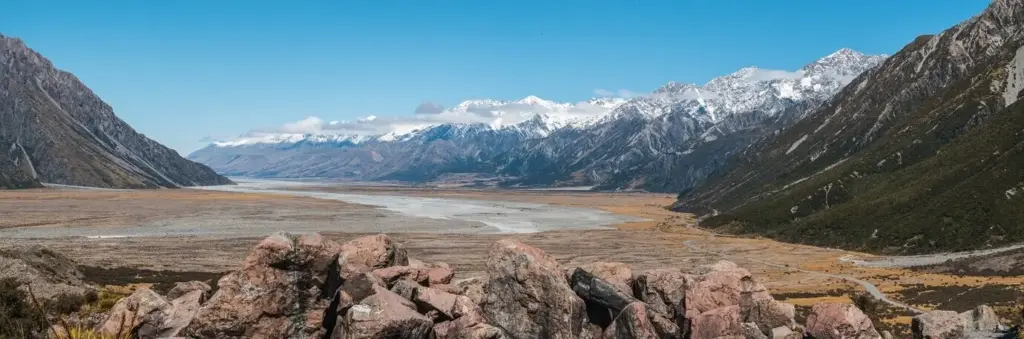
Ridges, cornices, talus fans, and glacier striations create exquisite pathways for the eye. Frame diagonals that move gently across emptiness, or stack parallel layers of ridgelines for rhythmic depth. Use slow pans to refine edge relationships. When wildlife appears, keep lines intact by waiting for a pause rather than moving closer. Tell us how you align natural contours to build elegant, understated narratives.

Color As Whisper, Not Shout

Muted palettes embody altitude and quiet. Pre-dawn blues, soft grays, and winter whites simplify forms and reduce distraction. Limit dominant hues to two or three, and let small color accents, like lichen or distant coats, anchor attention. If saturation tempts you in post, step back and reassess intention. Which restrained color choices have helped your photographs feel timeless and humane? Share your approach below.

Fieldcraft For Silent Encounters

Invisible presence comes from planning, wind awareness, and humble pacing. Avoid skylining on ridges, approach with cover, and move when gusts mask sound. Let animals dictate distance and direction rather than inserting yourself into routines. Build time margins so patience feels natural, not pressured. Contribute your quietest techniques and help others learn the art of being nearby without leaving a ripple behind.

Tools Chosen For Quiet Precision

Select equipment that extends distance, reduces weight, and stays silent. Lightweight telephotos, compact carbon tripods, and neutral layers help you move softly and wait comfortably. Stabilization protects sharpness from mountain gusts, while remote triggers minimize vibration. Prioritize reliability over novelty, and pack only what supports patience. Comment with your trusted kit list to help others build thoughtful, wildlife-friendly setups for long, contemplative days.
Modern lenses make reach more accessible. Consider 300 to 600 millimeters, fast enough for dawn yet light enough for big elevation days. Pair with high-resolution bodies for ethical cropping that maintains detail. Test balance with monopods or gimbals to handle shifting winds. What focal lengths have delivered both respectful distance and crisp simplicity for you? Share outcomes, trade-offs, and overlooked gems worth carrying.
Stable support is essential for minimalism because tiny vibrations blur clean lines. Choose carbon legs with secure locks, a fluid or gimbal head for tracking, and spikes for ice or crust. Hang a pack carefully to dampen sway without introducing resonance. Practice setups with gloves before sunrise. Which stability hacks saved your shot in gusty saddles or on rime-coated ledges? Add your experiences below.
Carry systems influence sound and silhouette. Opt for quiet fabrics, slim straps, and weatherproof zippers. Neutral tones blend into scree and snowfields, helping you remain unobtrusive. Think in layers for static dawn vigils, including insulated pants and windproof shells. Store snacks and batteries for silent access. Which clothing or pack adjustments helped you endure cold stillness while remaining almost invisible to watchful residents?

Light, Weather, And The Poetry Of Restraint

Blue Hour’s Gentle Geometry

Before sunrise, contrast softens and edges relax, perfect for minimalist frames. Shapes flatten into pleasing silhouettes while color transitions feel whispered rather than shouted. Use slower shutter speeds to smooth moving cloud layers without losing character. How do you plan arrivals to catch this subtle window consistently? Share maps, timing rituals, and the small choices that help maintain composure in thin, crystalline air.

When Clouds Erase The Clutter

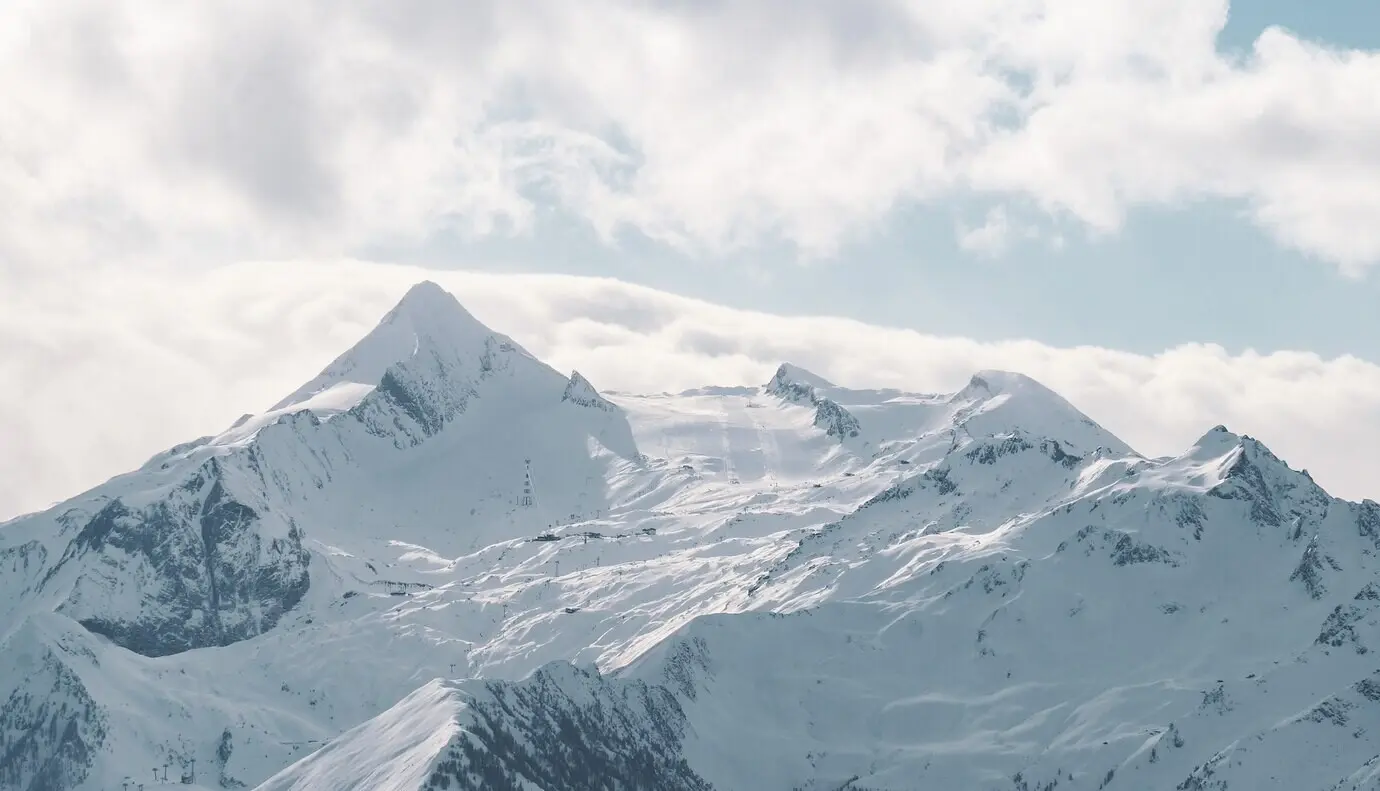
Fog and low cloud simplify chaos, leaving only essential structure. Wait for brief unveilings, when a corniced ridge or distant herd emerges like a sketch, then fades. Meter carefully to protect highlights and preserve gentle gradients. What patience techniques keep you ready yet relaxed during these intervals? Offer your strategies for keeping hands warm, batteries lively, and attention tuned to fleeting clarity.

Winter’s White As Canvas

Snow unifies textures and dampens sound, ideal for quiet stories. Expose to the right without burning detail, and let subtle shadows articulate form. Even small subjects feel monumental against luminous fields. Move cautiously to avoid postholes that scar compositions and habitats. Which winter practices maintain warmth, dexterity, and empathy for wildlife stressed by cold? Share your playbook for ethical, spare, and tender images.

Editing That Honors The Mountain
Post-processing should reveal, not shout. Nurture gentle contrast, natural color, and believable scale. Remove sensor dust and distractions while resisting heavy cloning that misrepresents environment or proximity. Crop thoughtfully to strengthen space without implying unsafe distance. Consider subtle grain for tactile calm. If this approach resonates, comment with your editing philosophy and favorite restraint-oriented techniques that keep photographs honest, tender, and enduring.
Instead of aggressive clarity, sculpt tonal relationships with careful curve adjustments. Protect shadow nuance so snow and mist retain depth, and lift midtones slightly to preserve atmosphere. A small S-curve can separate layers without hardening edges. Which curve shapes give you serenity without sterility? Share screenshots or settings, and explain how they support the patient feeling your mountain minimalism depends upon.
Use local masks to guide attention subtly—lighten a ridge crest, ease glare on a snowfield, or tame a hot sky band. Avoid reshaping wildlife positions or removing key habitat clues. Let restraint carry the narrative. What decisions help you balance cleanliness and truthfulness in sparse frames? Offer examples where holding back in post made space for emotion, memory, and ethical clarity.
Minimalist images suffer when sharpening halos and noise reduction smear delicate gradients. Soft-proof for paper choice, tune micro-contrast carefully, and size with intended viewing distance in mind. On screens, prefer gentle sharpening and restrained saturation. What export workflows keep skies smooth and edges natural across platforms? Share presets, paper favorites, and printing partners that respect understatement and the living spirit of alpine quiet.
Livopexilentokentosira
Privacy Overview

This website uses cookies so that we can provide you with the best user experience possible. Cookie information is stored in your browser and performs functions such as recognising you when you return to our website and helping our team to understand which sections of the website you find most interesting and useful.